Mushroom Spores for Microscopy & Study
Mushroom spores are microscopic reproductive cells that allow fungi to spread and develop. This page introduces the fundamentals of spores while guiding you through the different formats available for microscopy and collection.
What Are Spores?
Spores are microscopic reproductive cells produced by fungi.
Like seeds in plants, they allow fungi to spread and develop under the right conditions.
Studying spores helps reveal structure, variation, and species differences across the fungal world.
Understanding Spores
Spores are highly resilient and can withstand a wide range of environmental conditions. They vary in shape, size, and color, and these characteristics help distinguish between different species.
Released from the surface of mature mushrooms, spores spread through air, water, and environmental contact.
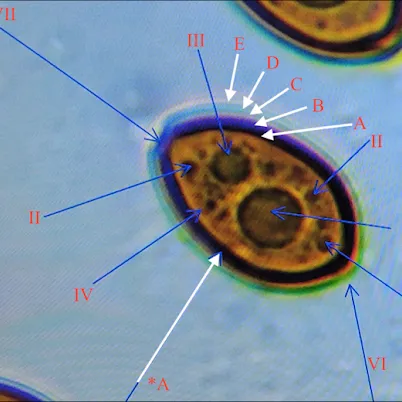
Under a microscope, spores reveal structural details that support identification and deepen our understanding of fungal diversity.
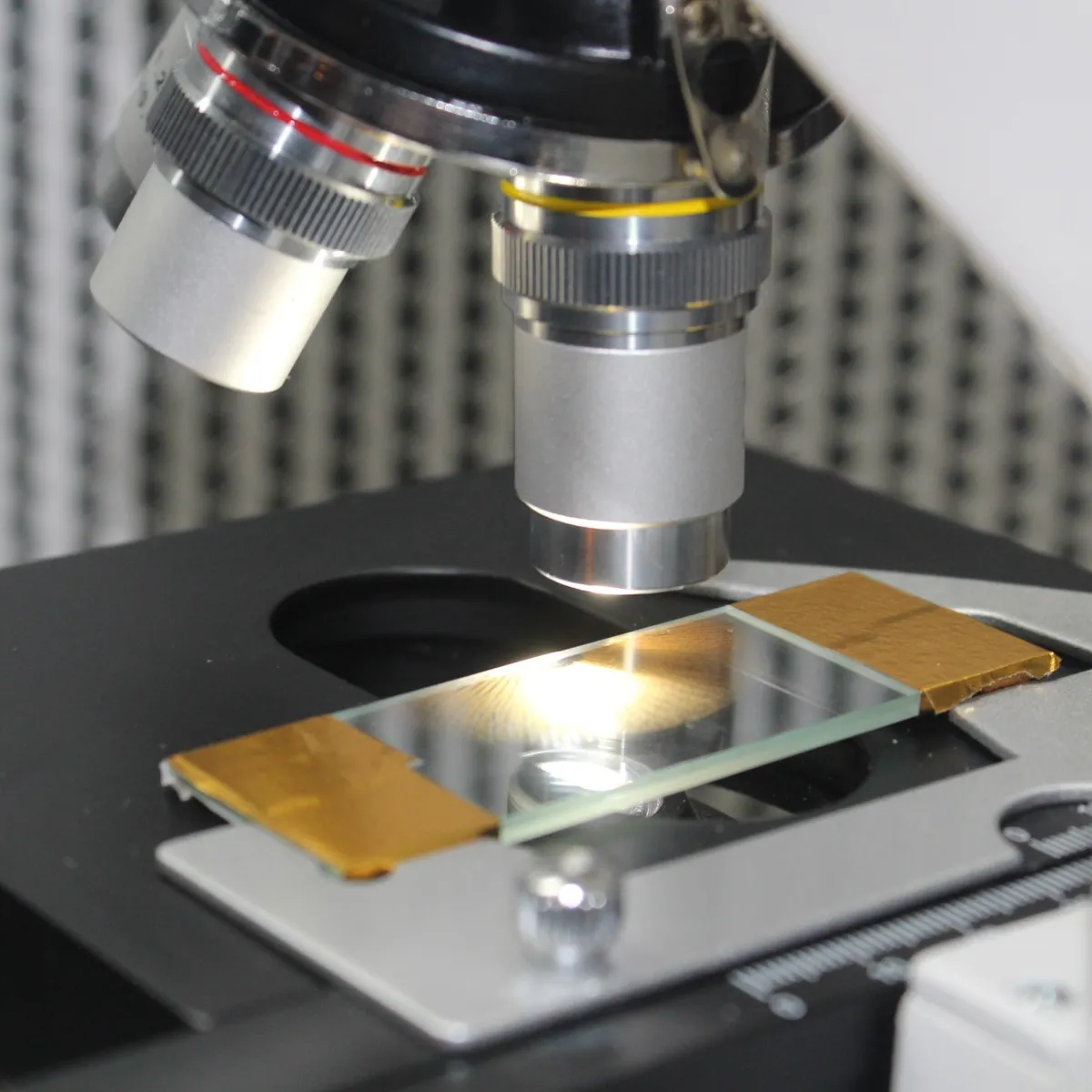
Compelling Microscopy
Microscopy is the study of structures too small to be seen with the naked eye.
In mycology, it allows for the observation of spores and other defining features that help distinguish between species.
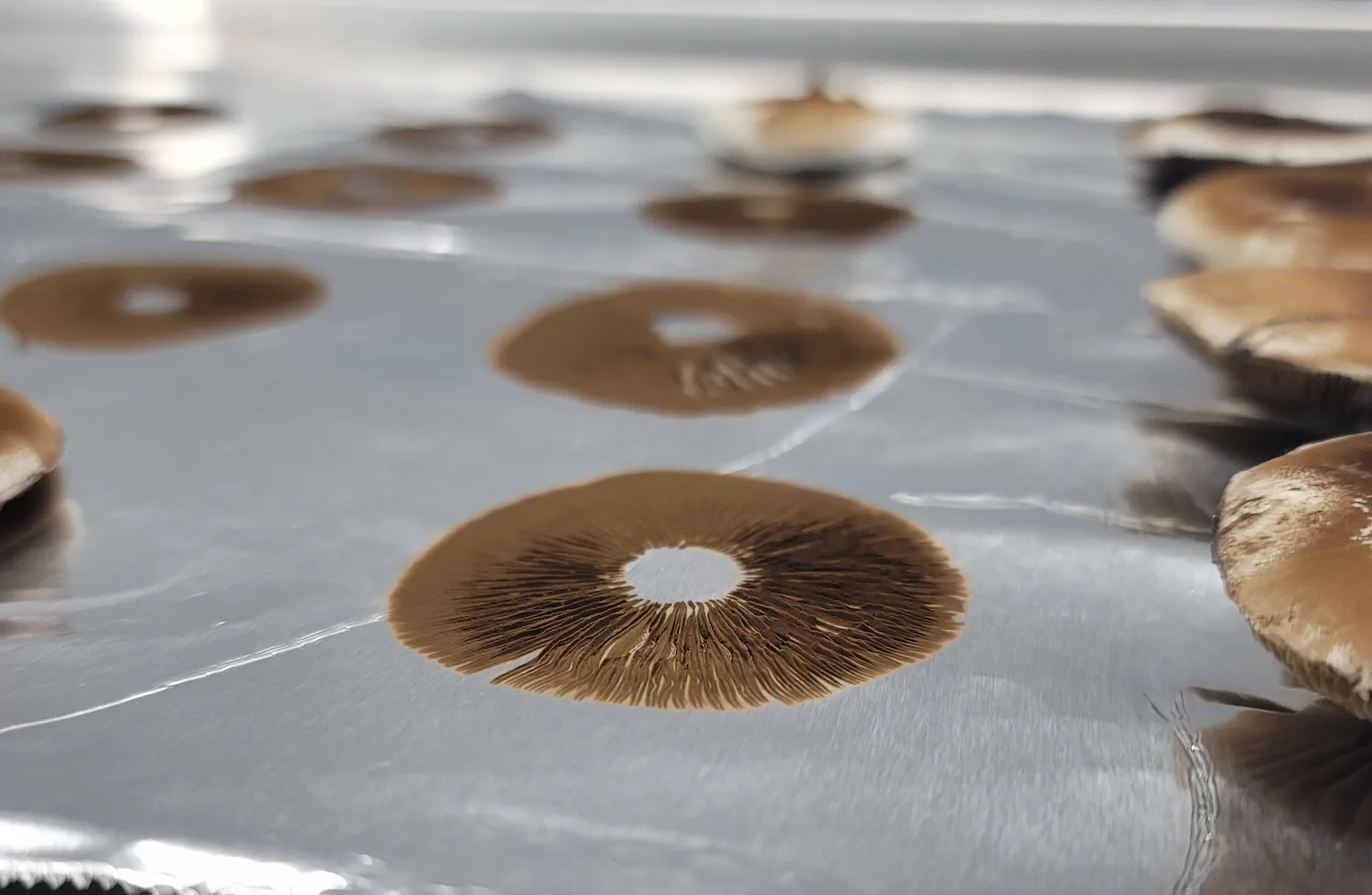
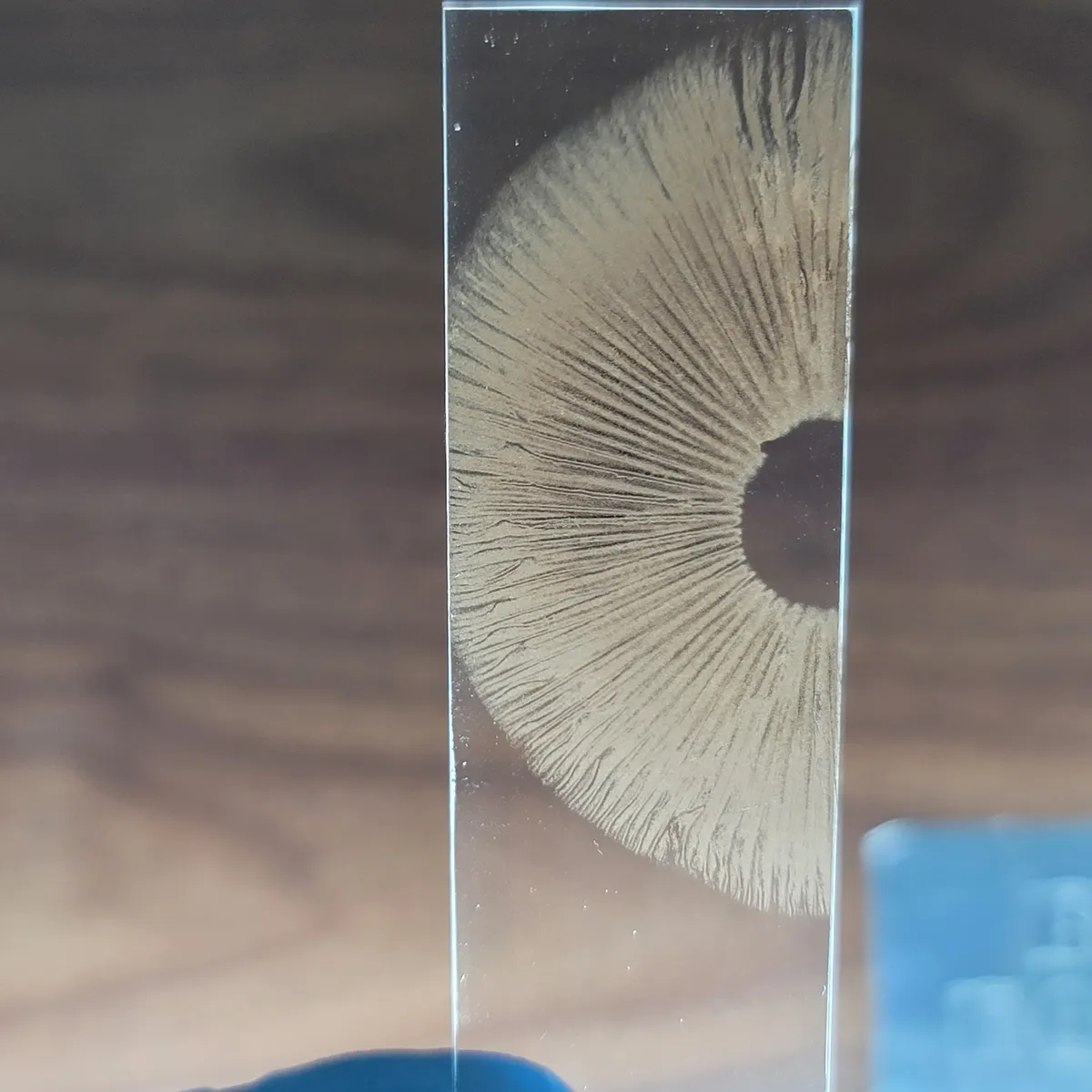
Foil Spore Prints
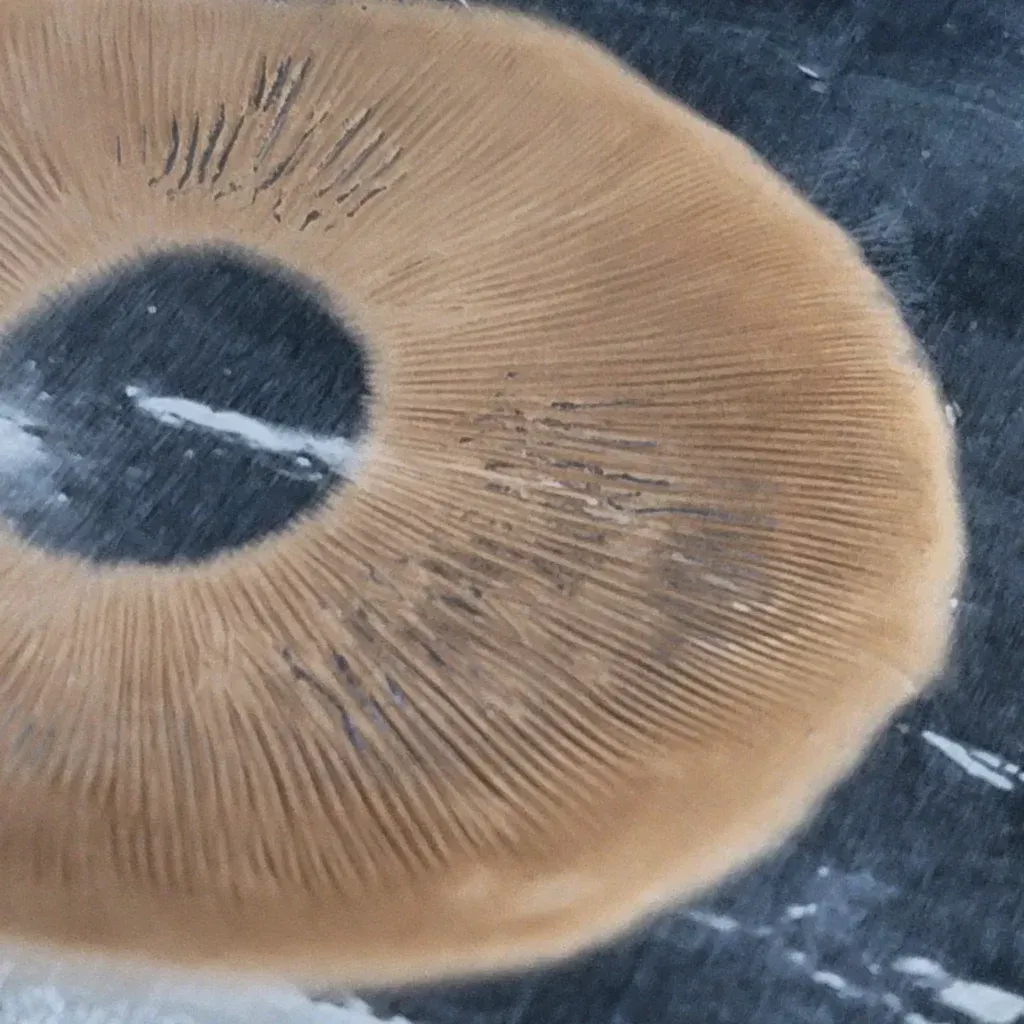
Foil spore prints are a traditional and widely used format for collecting mushroom spores.
When a mature mushroom releases spores, they form a visible pattern on a foil surface, making them easy to store and examine.
Spore prints are commonly used for microscopy, taxonomy, and long-term collection, offering a simple and reliable way to observe spore characteristics.
Featured Spore Prints
-
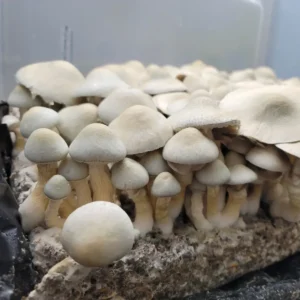
 BAPER RUST Spore Print$30.00
 -
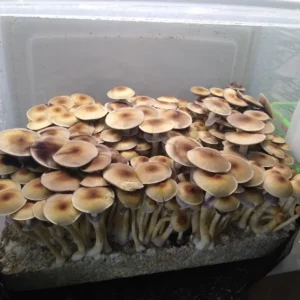
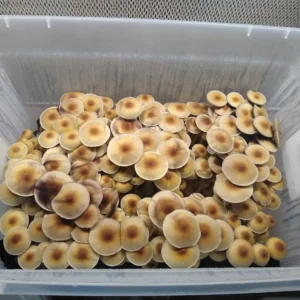 Blue Meanie Spore Print$30.00
 -
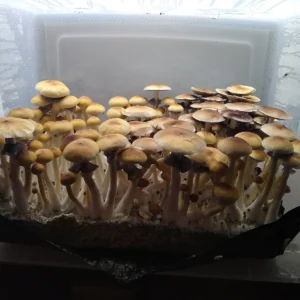
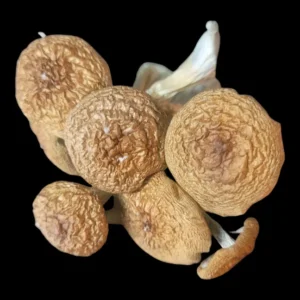 Golden Teacher Spore Print$30.00
Spore Syringes
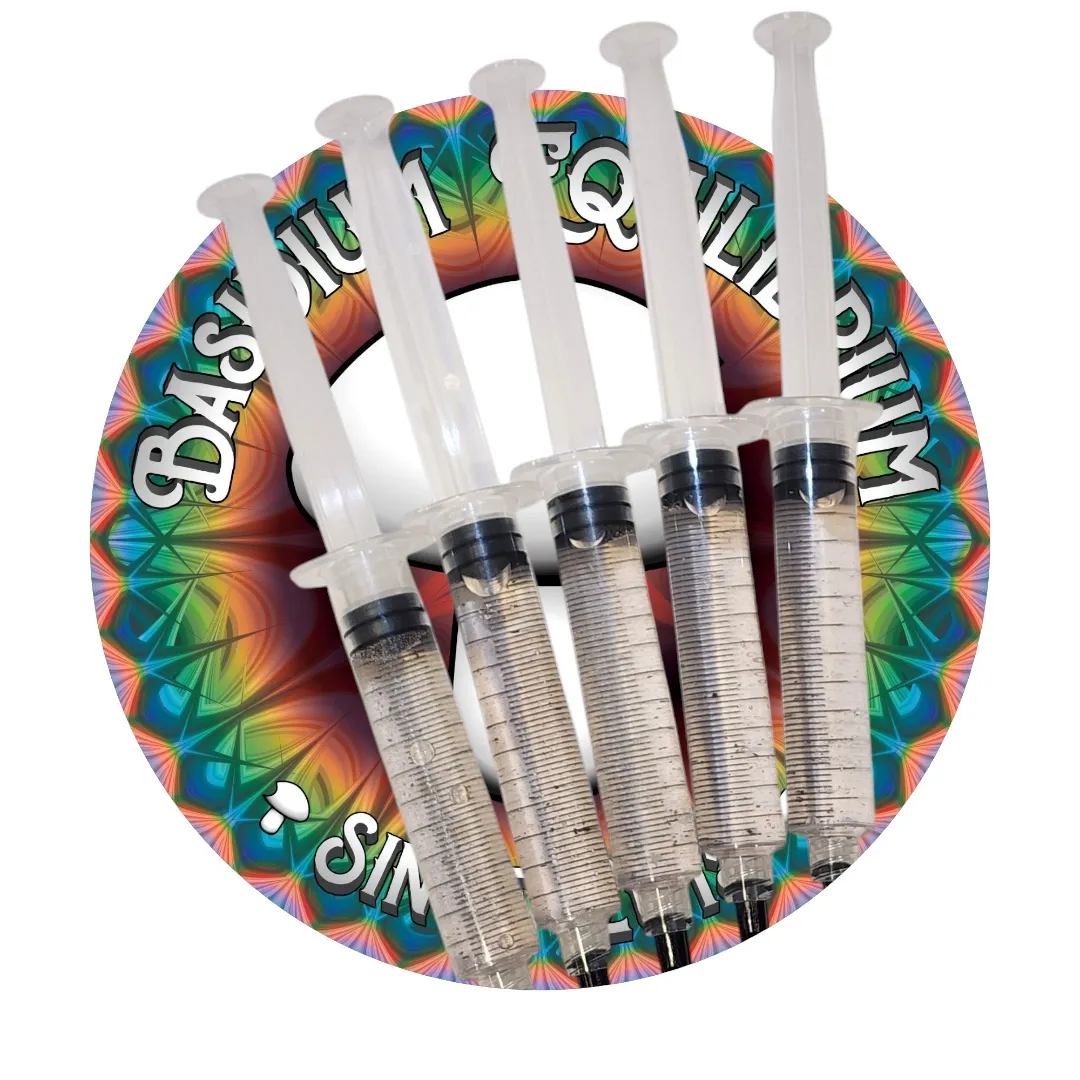
A spore syringe contains microscopic spores suspended in a sterile solution, making it a practical format for microscopy and observation.
A small drop can be placed onto a slide, allowing detailed examination of spore structure, size, and variation.
Spore syringes are widely used in mycology because they offer a clean, contained way to handle and study samples. When stored properly in a cool, dark environment, they remain stable for extended periods, making them useful for ongoing observation and collection.
Why Use a Spore Syringe?
Easy to Work With – A small drop can be applied directly to a microscope slide
Clean & Contained – Prepared in solution for simple handling
Consistent Viewing – Allows clear observation of spore characteristics
Spore Swab
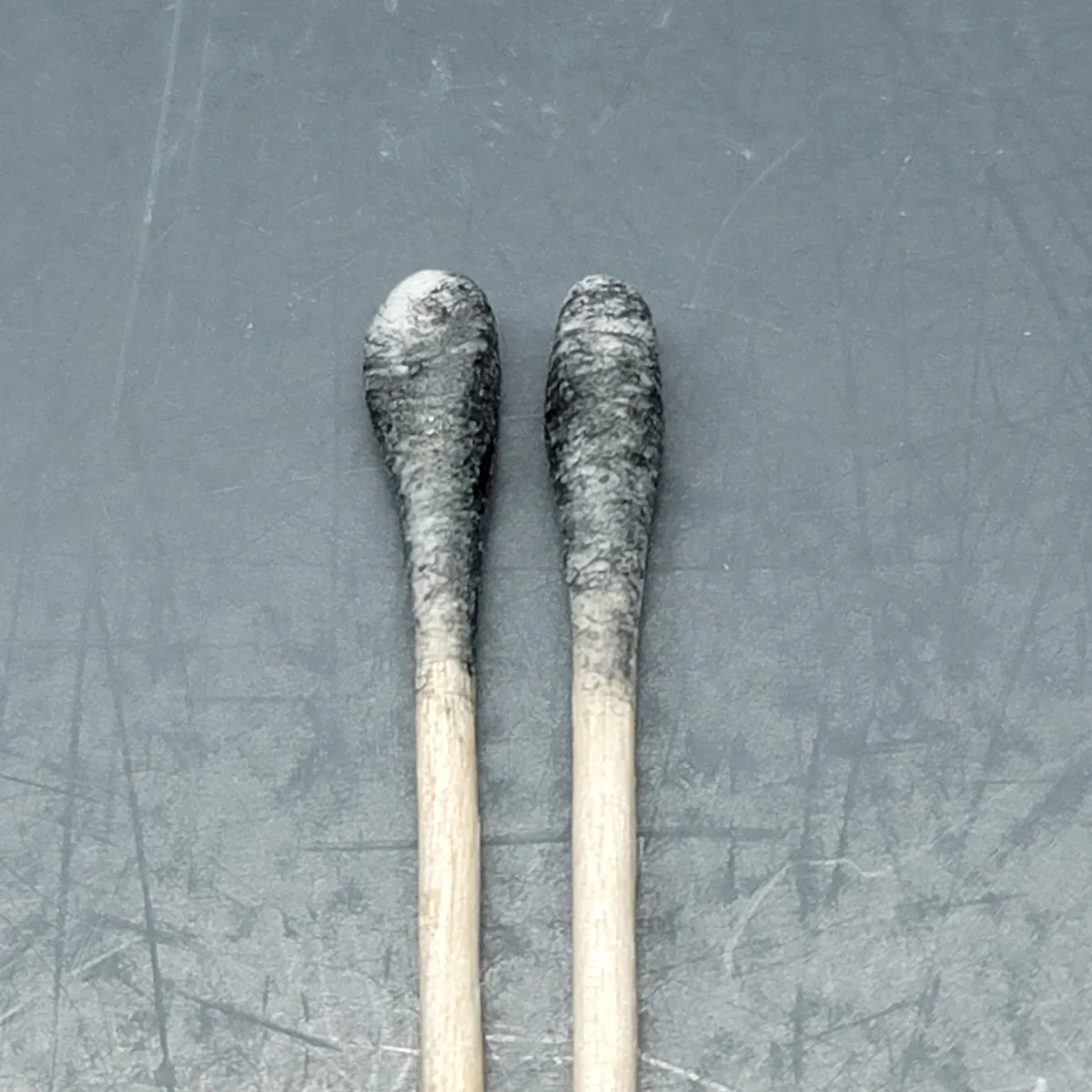
Spore swabs are used to collect and transfer spores directly from the surface of a mushroom.
They are especially useful when traditional spore prints are difficult to obtain, allowing samples to be captured for microscopy and study.
In some cases, spores may be faint, sparse, or not easily visible, making swabs a practical alternative to prints. This makes them an important format for collectors and researchers working with a wide range of samples.
Why Are Spore Swabs Useful?
Direct Collection – Allows spores to be gathered from mushroom surfaces
Alternative to Prints – Useful when prints are minimal or inconsistent
Microscopy Ready – Suitable for transferring to slides for observation
References & Further Reading
A selection of foundational texts and research sources for those interested in mushroom spores, taxonomy, and fungal biology. These references have shaped modern understanding of fungal taxonomy and microscopy.
Gastón Guzmán
The Genus Psilocybe: A Systematic Revision of the Known Species
A foundational work in fungal taxonomy, detailing spore morphology, classification, and species distribution.
Nicholas P. Money
Mushroom — Oxford University Press
An accessible overview of fungal biology, including spore structure, dispersal, and development.
Paul Stamets
Mycelium Running: How Mushrooms Can Help Save the World
Explores the ecological roles of fungi and the broader significance of mycelial networks.
Cornell University
Buller’s Drop and Spore Discharge Mechanics
A quantitative study examining how mushroom structure influences spore release and distribution.
Science Direct
Spore Science Made Simple
Curious about spores? These are the six most common questions beginners ask, answered in clear and simple detail to help you build a strong foundation in spore science.